Big gains in performance don’t come from piling on more inputs. They come from a focus on the variable you can control and likely overlook. The ones that others are unwilling to test, or simply don’t understand.
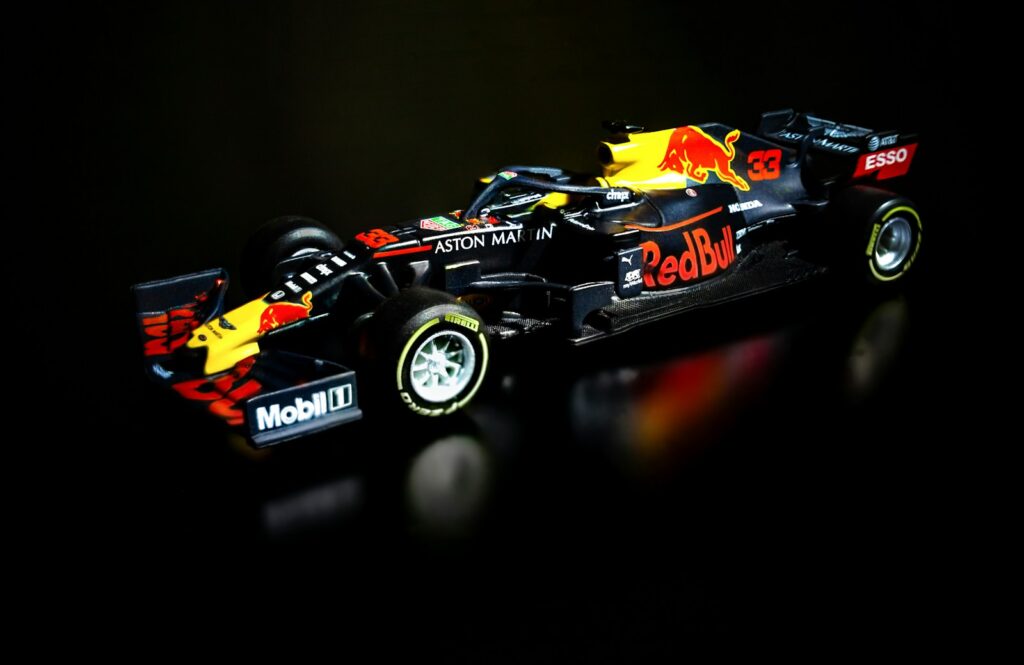
Formula One looks like a sport about speed, money, and horsepower. That’s the surface story. Beneath it, the sport is about something quieter and harder: choosing the single variable worth obsessing over and having the discipline to ignore everything else.
The Formula circles two ideas about this kind of choice. One comes from Adrian Newey: design engineer, aerodynamicist, and the most influential car designer of his generation. The other comes from Colin Chapman: design engineer, inventor, and founder of Lotus.
Newey is a fanatic about aerodynamics, the science of how air moves around an object. Chapman was obsessed with reducing a car’s weight. Both wanted the same thing: to make their cars as fast as possible with a focus on the variable you can control.
Let’s start with Newey’s life’s work: aerodynamics.
“Adding power makes you faster on the straights. Subtracting weight makes you faster everywhere.” — Colin Chapman
The Largest Advantages Are Hidden
Great car designers like Newey obsess over variables that quietly compound when no one is looking.
One of those variables is aerodynamics. In Formula 1, aerodynamics can be the difference between winning and losing.
Newey, one of the most celebrated designers in Formula 1, calls aerodynamics the single biggest differentiator in the sport. It’s why he spent nearly a quarter of his life testing aerodynamic ideas in wind tunnels.
The secret to his designs is a holistic obsession with airflow. He wants efficiency, balance, and control. Every part has to work together.
He obsesses over the chassis, suspension, and exterior. Every part is designed with aerodynamics in mind.
The Formula highlights his philosophy of constant refinement. It mirrors the Japanese concept of kaizen, or continuous improvement.
Newey is relentless. He relies on specialized tools designed to better understand airflow. His goal is simple: design the most aerodynamic car possible.
His process uncovers unexpected solutions, but he never strays from the fundamentals. In F1, that means weight and balance.
Even when Newey nails the fundamentals, something unexpected can still happen. A bad break may be just one corner away. That’s why he keeps returning, again and again, to the fundamentals.
Constraints Create Breakthroughs
Everyone is dealt a bad hand. It gets worse when you use it as an excuse to stop thinking and shut off your creativity.
Like Newey, Colin Chapman had a singular purpose: extract every ounce of performance by reducing weight.
Chapman realized racing wasn’t about horsepower alone. Engine capacity didn’t matter if the car wasn’t light enough to stay competitive.
Adding horsepower makes you faster on the straights. Subtracting weight makes you faster everywhere else. That was Chapman’s design philosophy. Remove what doesn’t matter. Simplify.
He believed reducing weight was the most effective way to increase speed. It made cars faster over an entire race, not just on the straights.
Ferrari took the opposite approach: bigger engines. Chapman preferred efficiency through smarter design and less weight.
He wanted a fast car that demanded less from the driver. He was willing to sacrifice reliability if it meant more speed.
To Chapman, constraints forced clarity. If he couldn’t build a new engine, he designed the lightest car possible. Strip away everything unnecessary.
Takeaways: Control the Variable, Then Simplify
Adrian Newey and Colin Chapman anchor The Formula. Both were obsessive. They focused on one thing and refused to be distracted. For Newey, winning meant mastering aerodynamics. For Chapman, winning meant making the car as light as possible.
For me, the takeaway is simple: focus on the variable you can control and simplify. Become excellent at controlling your variable, and strip away everything that doesn’t matter.