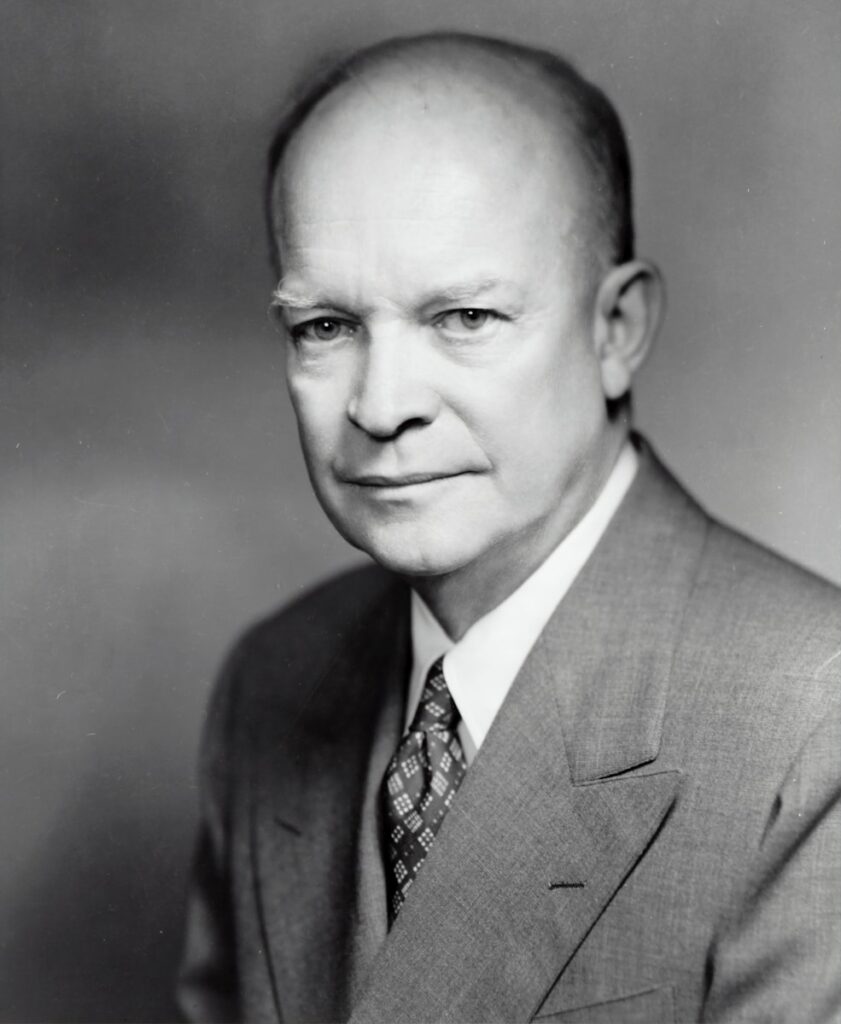
Dwight Eisenhower—President of the United States, Supreme Allied Commander during World War II, and a five-star General—is credited with a quote that sparked the creation of one of the most practical productivity tools ever developed, the Eisenhower Matrix:
I have two kinds of problems: the urgent and the important. The urgent are not important, and the important are never urgent.
That insight led to the creation of the Eisenhower Matrix—a simple, powerful task management system that helps you focus on what matters most and ignore what doesn’t.
The Four Quadrants of the Eisenhower Matrix
The Eisenhower Matrix sorts tasks into four quadrants based on urgency and importance:
- Quadrant 1: Urgent and Important – Do these tasks immediately.
- Quadrant 2: Not Urgent but Important – Schedule these tasks.
- Quadrant 3: Urgent but Not Important – Delegate these tasks.
- Quadrant 4: Not Urgent and Not Important – Delete or ignore these tasks.
Quadrant 1: Urgent and Important (Do First)
I have been impressed with the urgency of doing. Knowing is not enough; we must apply. Being willing is not enough; we must do. – Leonardo da Vinci
These are high-priority tasks that demand immediate action. I tackle them first thing in the morning when my focus is sharpest. Most of these tasks take me between 1 and 3 hours per task.
Examples include:
- Finalizing a presentation or report due the next day
- Responding to critical client questions or concerns
- Handling emergencies or time-sensitive fires
- Preparing for an important investor call or meeting
Roughly 10–20% of my daily work lives here. Each task takes time but has an outsized impact on my short and long-term goals.
Quadrant 2: Not Urgent but Important (Schedule)
These are the tasks that move the needle long-term. They aren’t urgent, but they matter. I batch these into 30-minute blocks and schedule them for the afternoon or early in the morning, in the case of physical health.
Examples include:
- Planning quarterly goals or a long-term strategy
- Building key relationships with clients or investors
- Writing, deep reading, or industry research
- Physical health (workouts, sauna/cold exposure, mindfulness)
- Family or friend time and hobbies like golf
- Regular project and investor calls to keep teams aligned
About 80% of my tasks fall in this quadrant. When I stay here, I make real progress. It also feels good to check off a large number of to-dos for that day.
Quadrant 3: Urgent but Not Important (Delegate)
These tasks seem urgent, but they don’t require your attention. Delegating them creates space to focus on more important and high-value work in quadrants 1 and 2.
Examples include:
- Non-critical emails
- Incoming requests that interrupt my workflow
- Meetings without clear outcomes or objectives
- Admin tasks like call scheduling or paying invoices
- News updates and alerts that are not timeless or high-impact in nature
- Last-minute “emergencies” caused by someone else’s poor planning
I used to spend too much time here. Now, I delegate these to my team or contractors to free up my calendar to complete tasks housed in quadrants 1 and 2.
Quadrant 4: Not Urgent and Not Important (Delete)
These are pure distractions. Cut them from your life or your calendar.
Examples include:
- Scrolling social media
- Attending aimless meetings
- Checking email constantly instead of batching
- Doing busywork with no strategic purpose
- Spending time with people who are energy-depleting
If I could go back and advise my younger self: delete more.
How I Use the Eisenhower Matrix with Trello
As long as we remain committed to a workflow based on constant, ad hoc messaging, our Paleolithic brain will remain in a state of low-grade anxiety. – Cal Newport
I manage my tasks using Trello, an idea I got from A World Without Email, and apply the Eisenhower Matrix by tagging tasks with four labels:
- UI = Urgent and Important
- NI = Not Urgent but Important
- UN = Urgent but Not Important
- NN = Not Urgent and Not Important
Only UI and NI tasks make it onto my board. These are pull tasks—things I choose based on my priorities, not what others push onto me.
- UI tasks (1–3 hours per task) are prioritized for the morning
- NI tasks (under 30 minutes per task) are batched in the afternoon
- UN and NN tasks are delegated or deleted before they take up space
This simple workflow saves me hours every day, month, and year.
Why the Eisenhower Matrix Works
The Eisenhower Matrix eliminates the ambiguity of where to spend your time. It’s a clean, clear system that puts you in control of what matters most to you.
- Quadrant 1 – Do it
- Quadrant 2 – Schedule it
- Quadrant 3 – Delegate it
- Quadrant 4 – Delete it
It’s more than a productivity tool. The Eisenhower Matrix is a decision-making system for anyone who wants to lead a focused, intentional, and high-impact life.